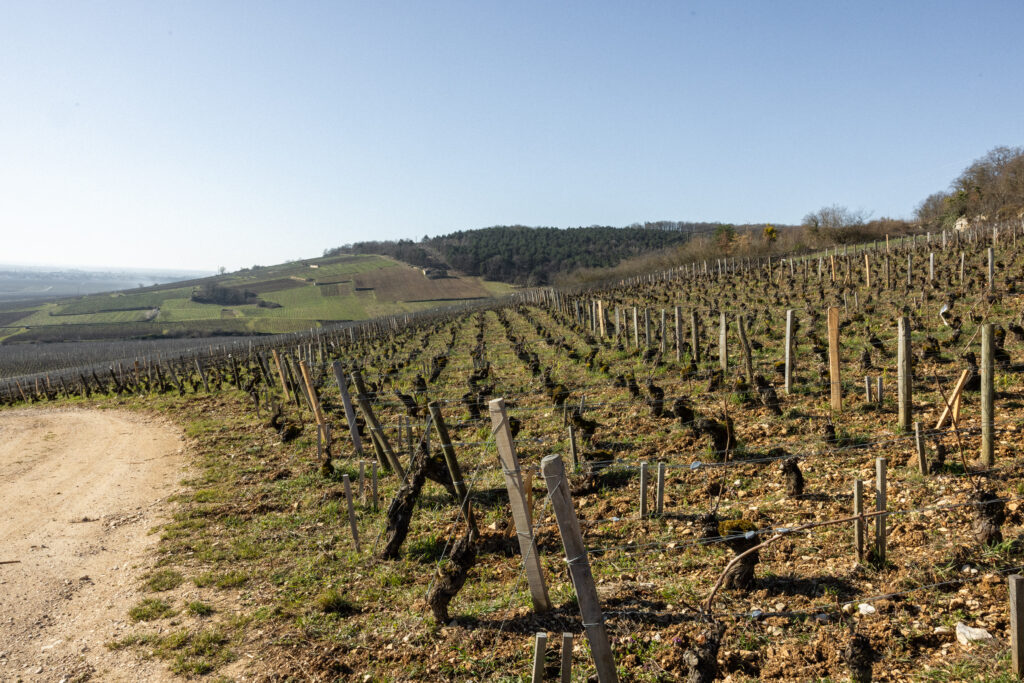
“Old Vines.”
It is a phrase regularly found on Burgundy wine labels and one that immediately suggests age, heritage and, perhaps, a certain idea of quality.
But what does it actually mean?
Contrary to what one might expect, there is currently no minimum legal vine age in France that automatically defines when the term “old vines” may be used on a wine label.
So when does a vine really become old? And more importantly, what can the age of the vines actually bring to the wine?
“Old Vines”: No Specific Legal Age in France
Under the current French framework, “old vines”, or “vieilles vignes”, is considered a voluntary indication.
There is therefore no legal French threshold of 30, 40 or 50 years at which a producer is automatically entitled to use the expression.
That does not mean, however, that anything goes.
Like any information communicated to consumers, the term must remain truthful, justifiable and not misleading.
This is where common sense becomes particularly important.
Using “old vines” purely as a marketing claim, without any genuine viticultural reality behind it, would ultimately make the expression meaningless.
When it truly reflects the history and heritage of an estate, however, it can highlight an important characteristic of the vineyard.
At What Age Can We Really Talk About Old Vines?
There is currently no single regulatory answer to this question in France.
However, an international definition has recently emerged.
In 2024, the International Organisation of Vine and Wine (OIV) adopted a definition of an old grapevine.
According to this definition, a vine can be considered old when its documented age reaches at least 35 years.
For an entire vineyard to qualify as old under this definition, at least 85% of the vines must meet this criterion.
This international reference is useful because it provides a first framework for a concept that had previously remained relatively vague.
It does not, however, currently constitute a mandatory legal threshold for the use of the term “old vines” on French wine labels.
In practice, every estate also has its own history.
And when vines reach fifty, sixty years or more, the concept of old vines naturally takes on much greater meaning.
In the Vineyard: The Old Vines of Domaine Desaunay-Bissey in Flagey-Échezeaux
The idea of old vines becomes far more tangible when you leave the label behind and walk through the vineyard itself.
This is particularly true at Domaine Desaunay-Bissey in Flagey-Échezeaux, one of Destination Wines’ partner estates.
Here, all of the vines are more than 50 years old.
Walking through the vineyards, this age is immediately visible: thick, twisted trunks, irregular shapes and vines that often differ significantly from one another.
The landscape already tells part of the story before the wine is even tasted.
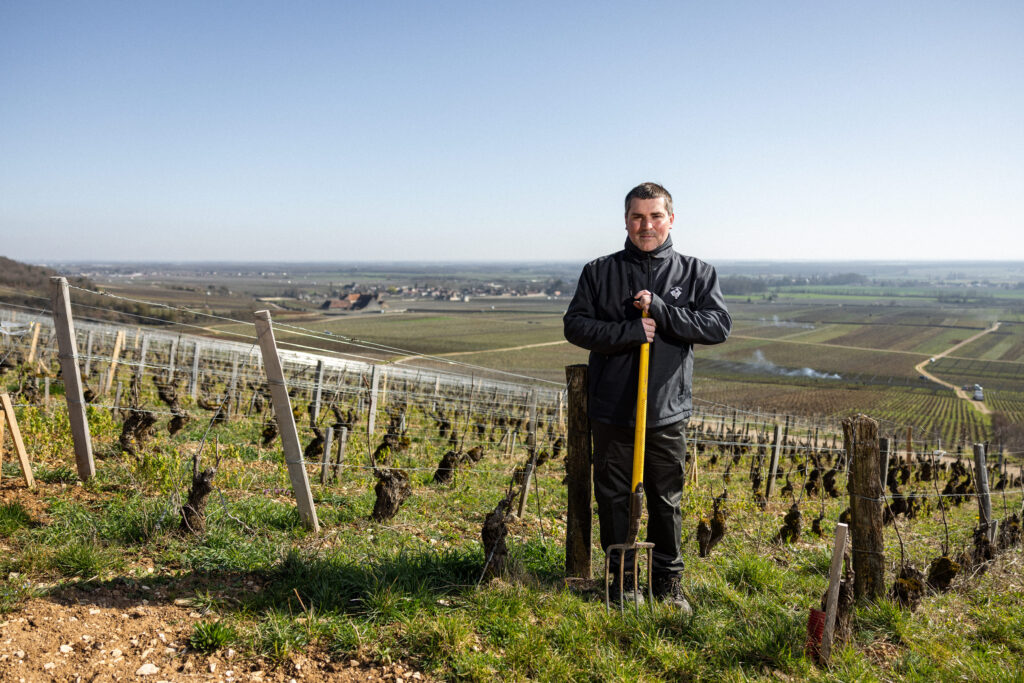
This is also what I value about regular visits to the growers I work with: moving beyond the label to understand what is really happening in the vineyard.
At Domaine Desaunay-Bissey, the term “old vines” is therefore not simply a marketing statement.
It reflects a very real part of the estate’s identity and a viticultural heritage that has been preserved over decades.
Other Destination Wines partner estates also have this kind of heritage, such as Domaine Caire-Deveze in Puligny-Montrachet, whose vineyards are also more than 50 years old on average.
In every case, the idea remains the same: the term becomes meaningful when it describes a genuine reality in the vineyard rather than being used purely as a commercial claim.
Do Old Vines Automatically Produce Better Wine?
No.
And this is probably the most important misconception to avoid.
The age of a vine, taken on its own, is never a guarantee of quality.
A young vineyard planted on an excellent terroir, carefully managed and precisely farmed can produce outstanding wine.
Likewise, an old vineyard that is poorly maintained will not automatically produce great wine simply because of its age.
The final result depends on many factors: terroir, plant material, soil health, yields, vineyard management, vintage conditions, harvest dates and, of course, the work carried out in the cellar.
What becomes truly interesting is therefore the combination of vine age, quality of terroir and the work of the winegrower.
Why Are Old Vines So Highly Valued?
A vine changes as it ages.
Over time, its root system becomes more firmly established in its environment and the way the plant functions gradually evolves.
Older vines also often produce naturally lower yields than they did when they were young.
But reducing their interest to a simple search for greater concentration would be a mistake.
For many winegrowers, preserving old vines is first and foremost about protecting a living viticultural and historical heritage.
Some parcels have survived through several generations.
They tell part of the story of the estate, its farming practices and its terroir.
In a region such as Burgundy, where each parcel and each climat has its own identity, this takes on particular significance.
Preserving Rather Than Simply Producing
Maintaining an old vineyard is also a choice.
As the years pass, some vines die, yields can decrease and the work required to preserve the vineyard may become more demanding.
Pulling out and replanting a parcel can sometimes appear to be the easier solution.
Choosing to preserve old vines when their condition allows it is therefore also a way of protecting part of the estate’s heritage.
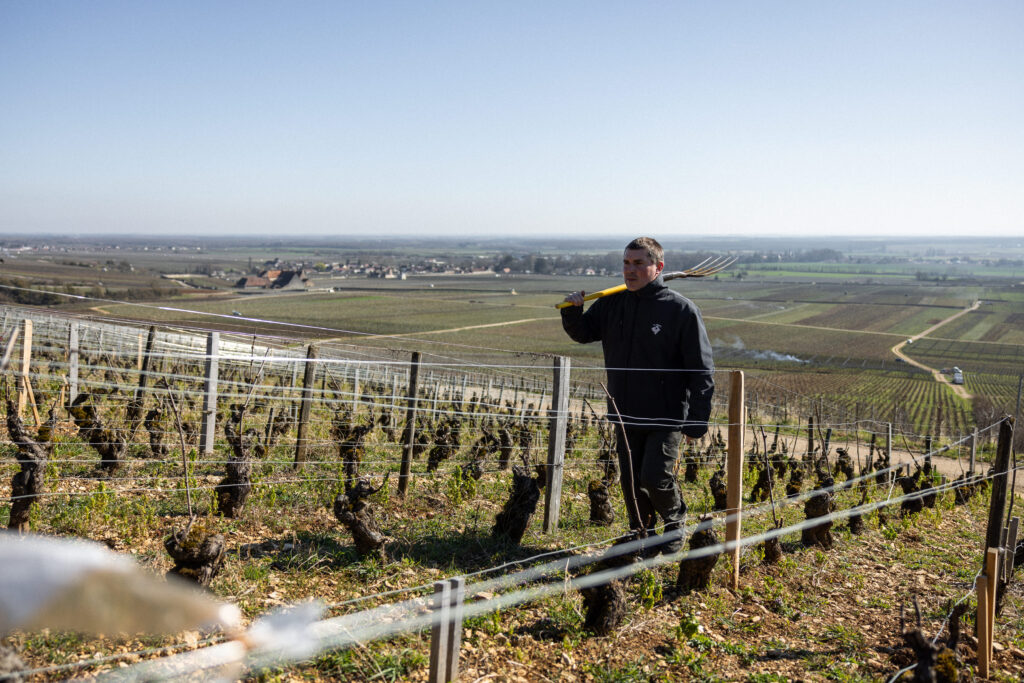
This is what makes the idea of “old vines” particularly interesting to me.
Beyond the two words printed on a label, we should try to understand what they really represent.
Old Vines as Part of Burgundy’s Viticultural Heritage
In Burgundy, the vine can never be completely separated from the landscape around it.
The parcels, slopes, vineyard tracks and villages form an environment shaped over generations.
Old vines are part of that history.
They are not only interesting because of what they may bring to the wine itself.
They also reflect the passage of time, the succession of generations of winegrowers and the decision to preserve a particular viticultural heritage.
Some parcels have survived for several decades without being pulled out and replanted.
They retain their own identity, shaped by their age, their location and the work carried out year after year.
In a region like Burgundy, where the notion of terroir is based precisely on the individuality of each site, this continuity has particular value.
This is also what makes old vines so fascinating: they do not only tell the story of a single vintage, but also part of the history of the estate and the landscape around it.
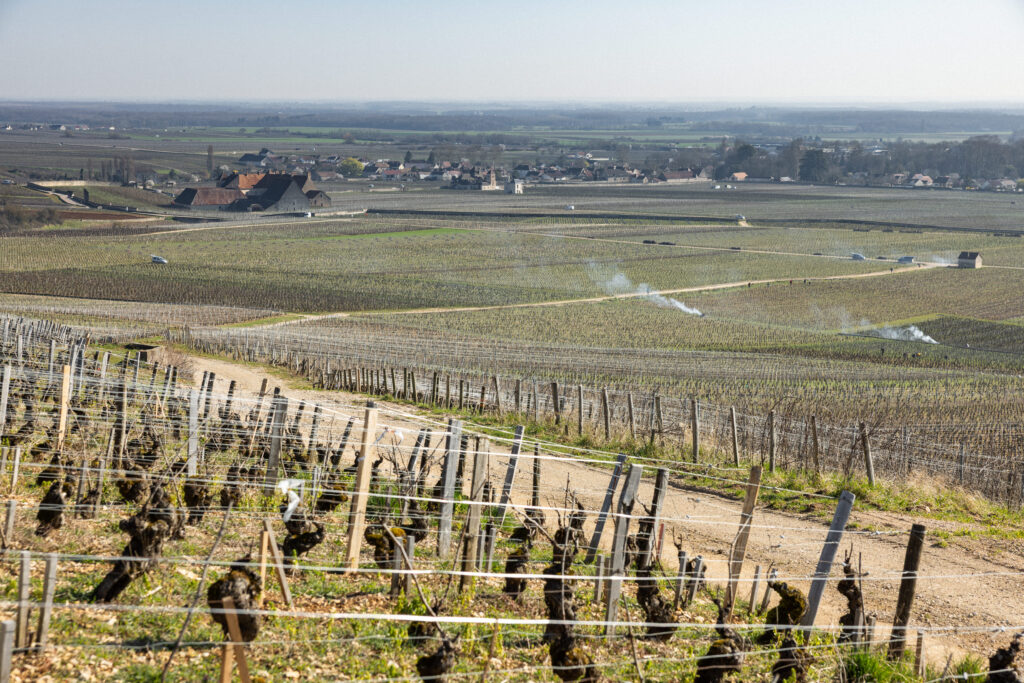
Looking Beyond the Label: Understanding the Story Behind the Wine
At Destination Wines, our work is not simply about selecting an appellation or a label.
Regular visits to the estates allow us to understand the individual parcels, meet the growers and learn the story behind each cuvée.
The age of the vines is part of that story.
It should never be considered an absolute guarantee of quality.
But when it reflects such a clear reality as at Domaine Desaunay-Bissey, where all the vines are more than 50 years old, vineyard age becomes a fascinating way to understand both the wine and the history of the estate.
So the next time you see “Old Vines” or “Vieilles Vignes” on a bottle, perhaps the best question is not simply:
“How old are they?”
But rather:
“What story lies behind these old vines?”